The Two-Step Formula for Raising Concerns Constructively
This simple framework turns frustration into influence.

The late afternoon email was short and clear: starting next month, the organization would switch to a new project management software.
Karl stared at his screen in disbelief. He can see the problem immediately, but knows leadership doesn’t. While the new system promises better collaboration, Karl knows his team is already overwhelmed with three major client deliverables due this month.
In theory, the new software program would offer benefits. In practice, it created several more problems. The transition will require training, data migration, and will likely cause delays that could jeopardize client relationships.
Karl’s challenge: how to tell his executive team that their timing won’t work when they’d already announced it to the organization.
Karl’s situation is fictional but not far-fetched. Those of us who have been in the workforce for more than a year or two have accumulated similar stories:
• Decisions made without consulting all the relevant stakeholders.
• Trade-offs that left your team with a mess to clean up.
• Good-intentioned but misguided ideas.
• Difficult choices that didn’t go your way.
All examples of feedback that needs to be shared, that the executive team won’t really want to hear.
Raising our concerns is essential—necessary for improving plans, minimizing risks, and ensuring the final decision has the impact you want. But how do you say “I have concerns!” without sounding defensive, obstructionist, or needlessly negative?
Your two-item checklist for giving constructive feedback
When you’re in Karl’s position, how you raise your concerns will determine if your message gets heard or ignored. Before you speak up, take your feedback through this two-item checklist to ensure the message has the impact you want.
1. Shift your language from judgment to specificity.
2. Shift your language from blame to problem-solving.
“Leadership’s announcement was totally thoughtless,” might be what Karl is thinking. But that’s judging and blaming. The executive team will hear Karl’s complaints and write them off as an insult that can be ignored.
Instead, Karl can be more specific about his concerns, and raise his fears with a problem solving step attached.
“We’re in a crucial timeframe for three projects with major clients, and I’m concerned we can’t make the software transition without disrupting service. (specific concern) Would it be possible to wrap up these projects in the old system while onboarding new projects in the new system?” (problem solving)
Here’s how this plays out in practice. Imagine your company announces a mandatory return-to-office policy starting immediately. Instead of saying “This is ridiculous—people will quit!” (judgment and blame), you could say: “I’m concerned about retention risk, especially for our remote hires who relocated during the pandemic. Could we phase this in over 90 days and survey the team about their specific challenges?” (specific concern + problem-solving approach).
Here are more examples of what it sounds like to be stuck in judge and blame mode versus taking a more constructive approach:
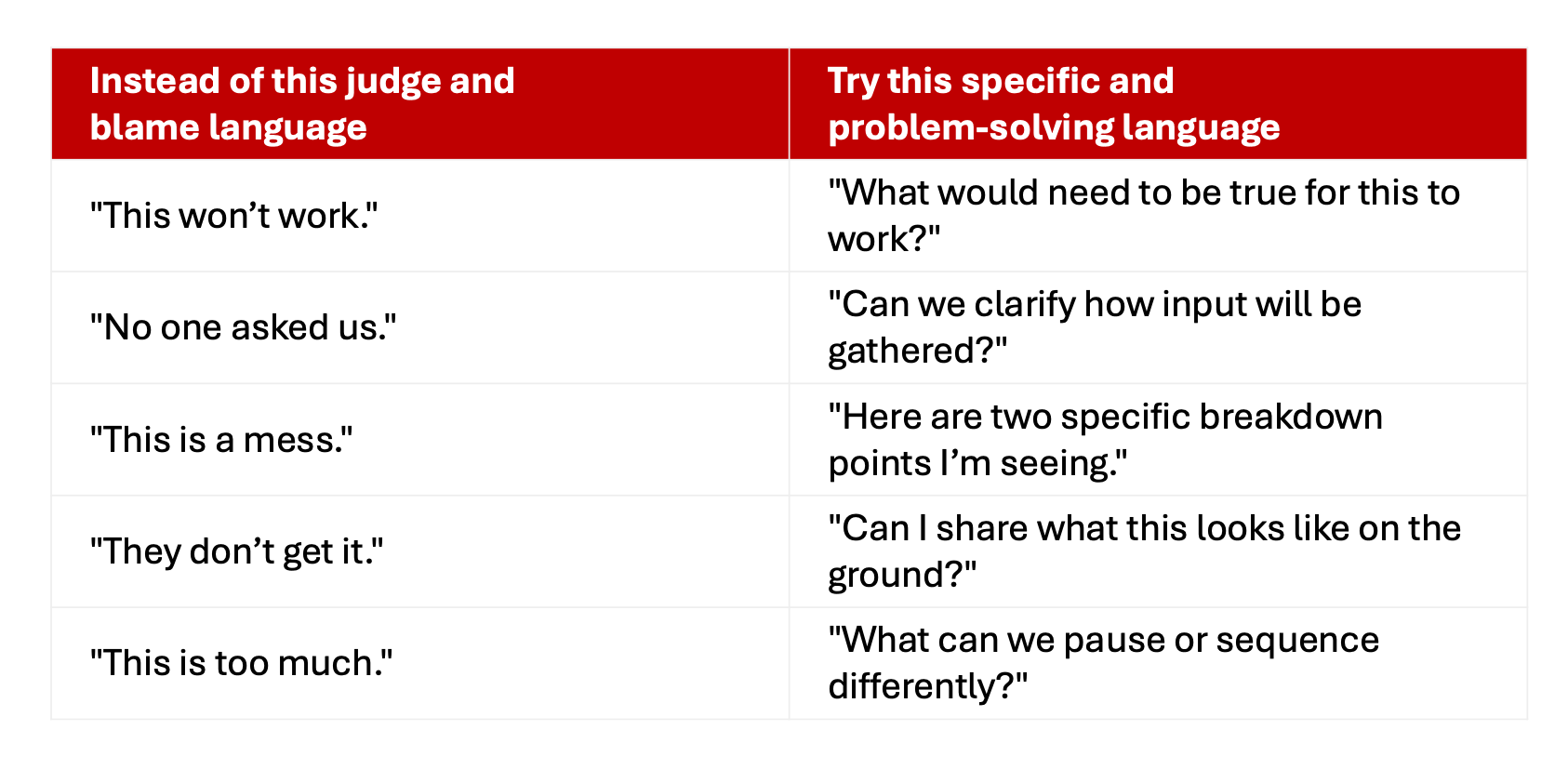
Don’t stay stuck
When we don’t like a decision made by others, our tendency is to complain in broad terms. But the broadness of our complaints disguises the root of our concerns, making them easy to dismiss. This makes us feel even more like the victim—”I’m being ignored!”—and doesn’t help us affect change.
By instead raising specific concerns and offering steps toward solutions, we demonstrate our leadership more clearly and help the organization progress toward better decision-making.
Next time you feel that familiar frustration rising, pause and ask yourself: “What specific concern can I raise, and what solution can I suggest?” Your feedback will be heard more clearly.
This post first appeared on the Ad Lucem Group blog.

Can you forward this to someone and invite them to subscribe?
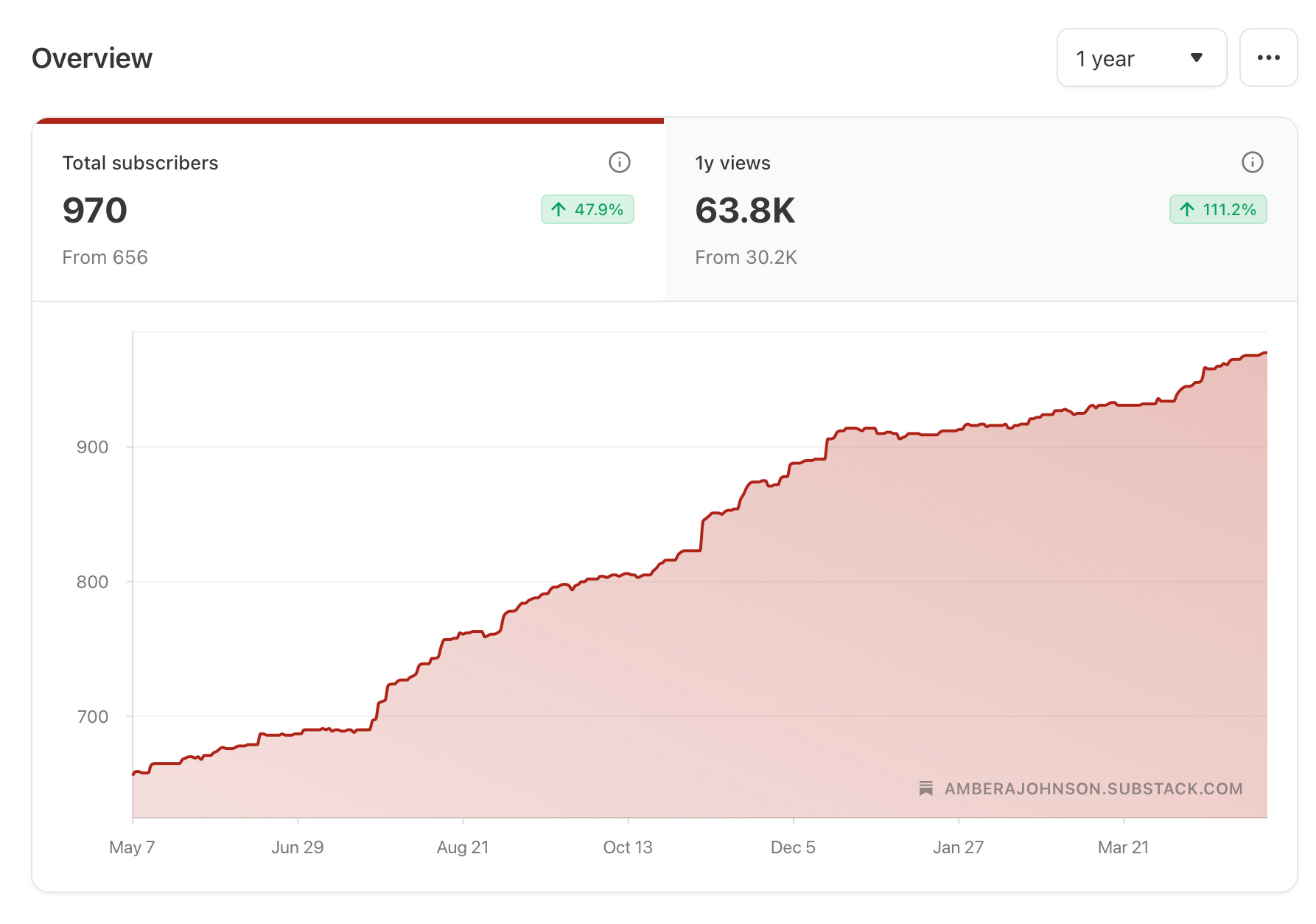
Before we get to this week’s bonus question … a request for help: I’m just 30 subscribers away from hitting 1000! Is there someone in your life who would appreciate this newsletter’s (always free) content? Please consider sharing (via email, social media, or your intranet) with others, and encourage them to subscribe.
Bonus Question
While it’s technically been spring for weeks now, we’re only just getting to the point in the season that I’m certain my winter coat can move to the back of the closet. Perhaps that’s why this question from author James Clear appeals to me.
What is your purpose for this season?
“It’s rare to find your purpose for life, so instead look for your purpose for this season.
What lights you up right now? What’s a good thing to dedicate this season of your life to? Perhaps more importantly, what purpose served you well in your previous season, but you have outgrown?
Life is always changing. It’s okay to pick a new North Star.”
I have a long car ride with my husband this weekend. Perhaps we’ll discuss this question!